
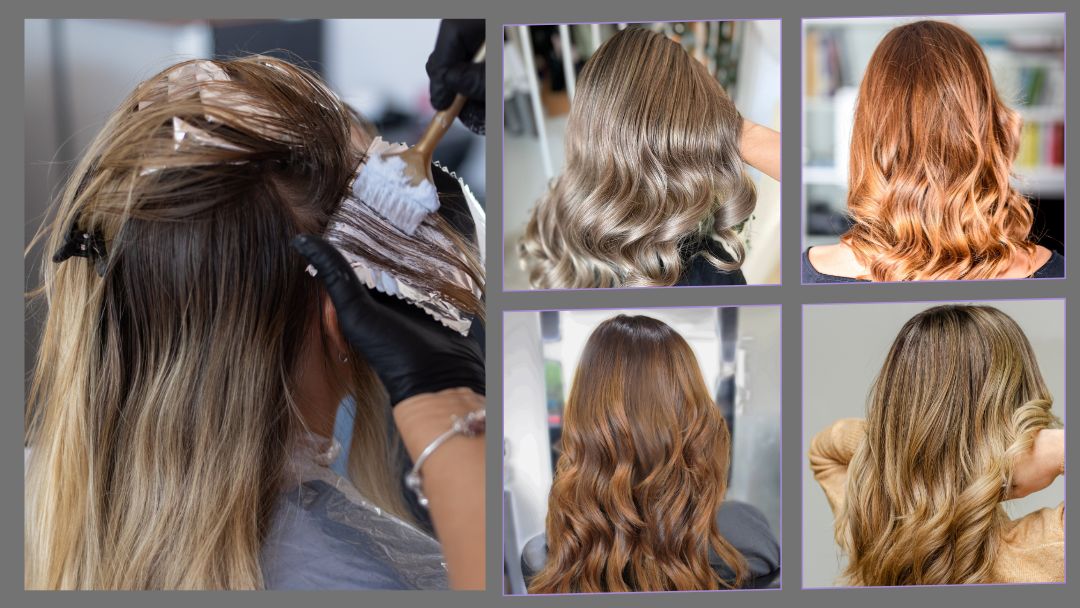
Dimensional hair coloring transforms flat, lifeless hair into vibrant, multi-tonal masterpieces that move and shine with every turn—and trust me, once you see the difference, you’ll never go back to single-process color again.
Our hairstylists have broad experience coloring hair, and let me tell you something. Nothing makes us happier than watching a client walk out of my chair feeling like a completely new person. That’s exactly what dimensional hair coloring does.
It’s not just about slapping some highlights in your hair and calling it a day. It’s about creating depth, movement, and that “wow, your hair looks amazing” factor that flat color simply can’t deliver.
 Key Takeaways
> What Dimensional Coloring Is: Multiple tones and shades working together to create depth and movement
> Why It Works: Mimics how natural light hits hair, creating visual texture and fullness
> Best Techniques: Balayage, ombre, color melting, and strategic foil placement
> Maintenance: Color-safe products and regular deep conditioning treatments
> Perfect For: Anyone wanting to add life to flat, single-dimensional hair color
What Makes Dimensional Hair Coloring So Special (And Why I’m Obsessed With It)
Here’s the thing about flat, single-process color, it’s fine, but it’s just that: fine. When I look at hair that’s been colored with just one shade, I see missed opportunities everywhere.
Dimensional hair coloring is like the difference between a black and white photo and a full-color masterpiece. We’re talking about using multiple tones; highlights, lowlights, babylights, and everything in between, to create hair that actually looks like it grows that way naturally.
How Light and Color Work Together
The science behind it is actually pretty cool.
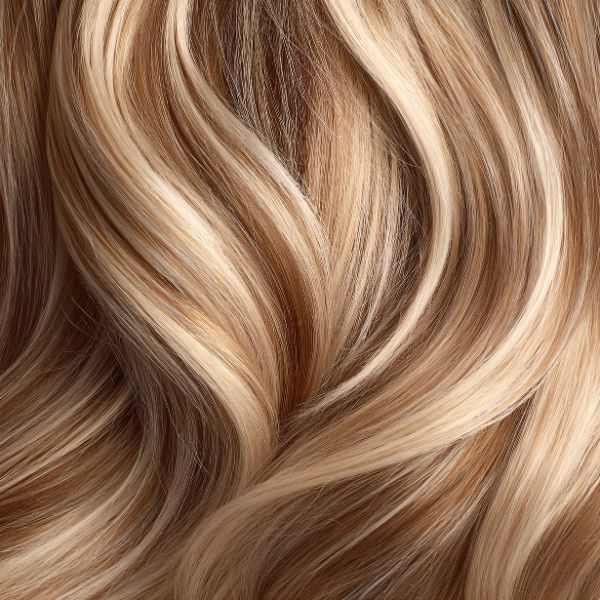
When light hits hair that has multiple tones, it reflects differently off each shade.
This creates what we call “movement” even when you’re standing completely still, your hair looks like it’s alive.
It’s dimensional in the truest sense of the word.
Weget asked about the science behind this all the time. Color theory isn’t just something we learned in beauty school and forgot—it’s the foundation of everything we do. Dr. Patricia Williams, a leading trichologist, explains it perfectly:
“The human eye perceives dimension in hair color through light reflection and refraction. When multiple tones are strategically placed throughout the hair shaft, light bounces off each strand differently, creating the illusion of thickness and movement. This is why dimensional coloring appears more natural than single-process applications—it mimics how virgin hair naturally varies in tone from root to tip and strand to strand.”[1]
See what she’s saying? It’s basically like giving your hair a complete personality makeover. That’s why we recommend dimensional techniques over flat color, Your hair literally comes alive.
Why Your Hair Type Matters
Not all hair is created equal, and that’s a beautiful thing. Fine hair benefits differently from dimensional coloring than thick hair does. Curly hair shows dimension differently from straight hair. Here’s what I’ve learned after thousands of hours behind the chair:
Fine Hair: Dimensional color is your best friend. It creates the illusion of thickness and body that your hair naturally lacks. I love using babylights and subtle color melting for my fine-haired clients.
Thick Hair: You can handle bolder contrasts. Think chunky highlights with deep lowlights. Your hair has the density to support more dramatic dimensional effects.
Curly Hair: The natural texture already creates movement, so we use dimensional color to enhance what’s already there. Balayage works beautifully because it follows your curl pattern.
Straight Hair: This is where dimensional coloring really shines. Since straight hair shows color most clearly, we can create incredibly precise effects that catch light beautifully.
The Emotional Impact (Because Let’s Be Real, Hair is Personal)
We’ve seen grown women tear up over their hair transformation. I’ve watched shy teenagers walk out of my salon standing three inches taller. Hair isn’t just hair. It’s how we present ourselves to the world.
When your hair has dimension, it photographs better, it styles easier, and honestly, it just makes you feel more put-together.
Even on those days when you throw it in a messy bun, those different tones peek through and make you look intentional rather than just tired.
The Techniques That Actually Work (No Fluff, Just Results)
Let me break down the dimensional coloring techniques I use most often. Each one creates a different effect, and choosing the right one depends on your hair type, lifestyle, and how bold you want to go.
Balayage: The Natural Choice
Balayage is French for “sweeping,” and that’s exactly what we do—sweep color onto your hair in a way that mimics natural sun lightening.
It’s been my go-to technique for clients who want something low-maintenance but high-impact.
The beauty of balayage is that it grows out gracefully. No harsh regrowth lines, no obvious roots.
It’s like your hair naturally decided to get more interesting as it grew.
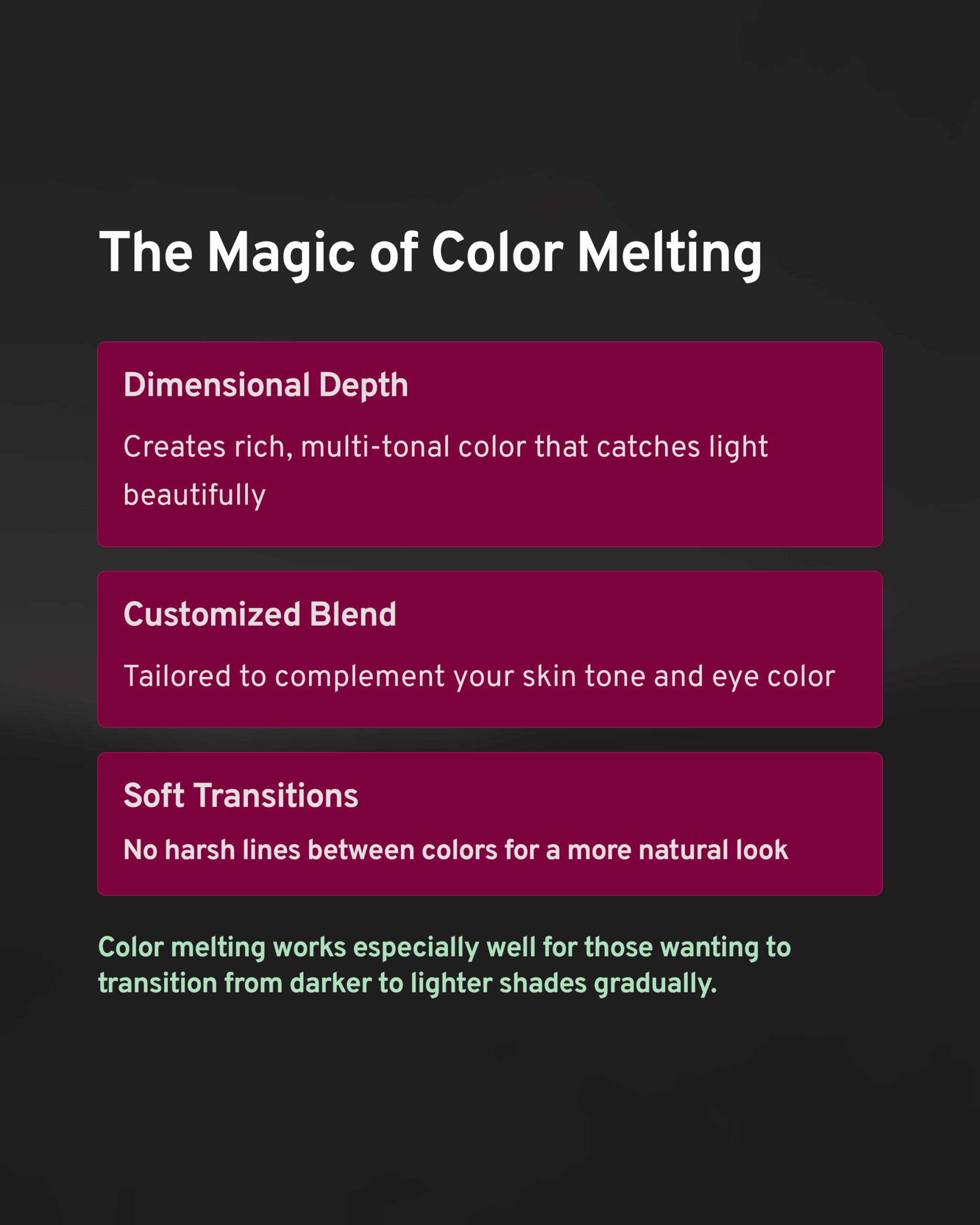
Color Melting: Seamless Blending
This is where artistry meets chemistry. Color melting involves blending multiple shades so seamlessly that you can’t tell where one ends and another begins. It’s perfect for ombre and sombre effects, and it’s absolutely stunning on longer hair.
Foil Placement: Precision Control
Traditional foils aren’t old-fashioned, they’re strategic. When I need precise placement and maximum lightening power, foils are my tool of choice. They’re perfect for creating those bright, defined highlights that really pop.
Babylights: Subtle Sophistication
These are the tiniest highlights you can imagine, literally the size of strands a baby might have. They add the most natural-looking dimension and are perfect for clients who want enhancement, not transformation.
The Real Difference Between Balayage and Highlights (Because Everyone Asks)
We get this question asked frequently: “What’s the difference between balayage and highlights?” Here’s the honest answer that’ll actually help you decide.
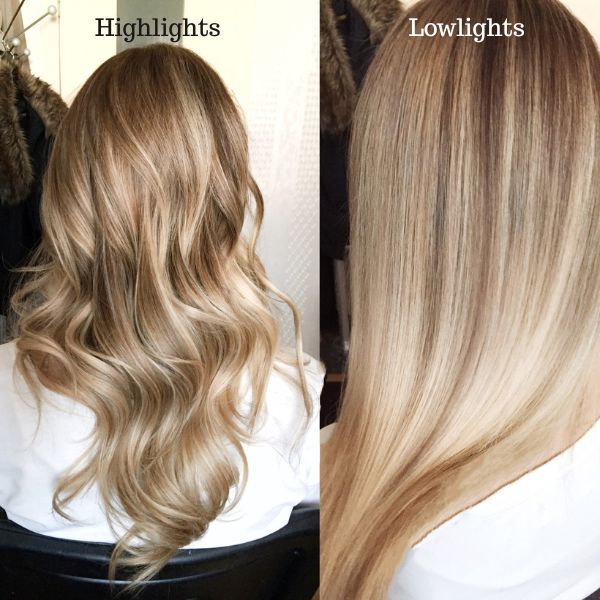
Traditional highlights use foils and are placed from root to tip in systematic sections. They create more contrast and defined lines—think classic, salon-perfect highlights that photograph beautifully.
Balayage is hand-painted onto the surface of your hair, creating a more natural, sun-kissed effect that starts subtly and gets lighter toward the ends.
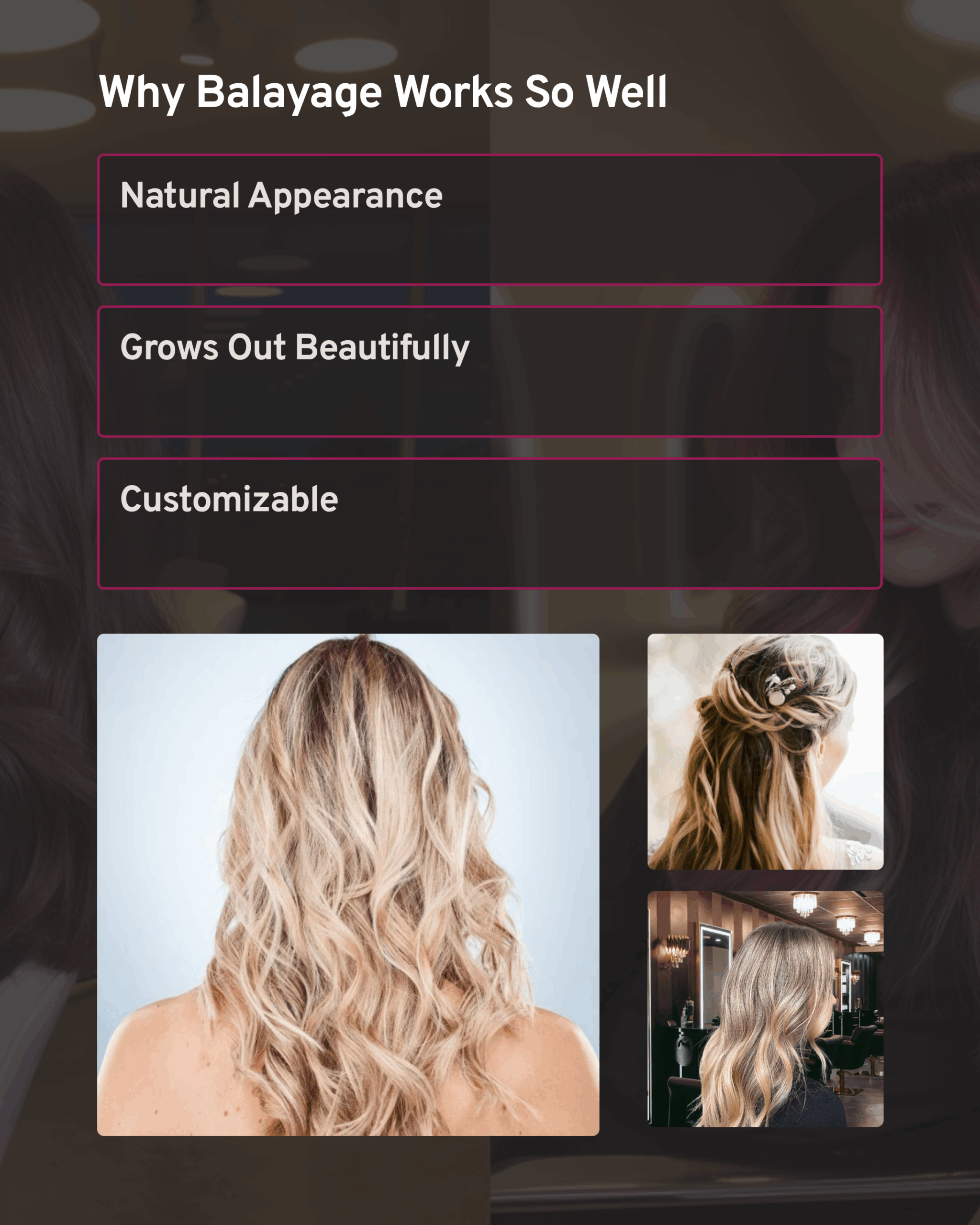
The real difference? Maintenance and grow-out. Highlights need touch-ups every 6-8 weeks because you’ll see that regrowth line. Balayage can go 10-12 weeks easily because it’s designed to look naturally grown-out.
Cost-wise, balayage typically takes longer (more hand-work) but you’ll save money long-term with less frequent appointments.
If you want dramatic, Instagram-worthy contrast, go highlights. If you want that effortless, “I woke up like this” vibe, balayage is your answer.
Choosing Colors That Actually Flatter You: dimensional Hair Coloring
Here’s where most people go wrong: they fall in love with a color on Pinterest without considering their skin tone. We’ve had to fix more regrettable color choices than I care to count.
Understanding Your Undertones
Warm undertones (golden, peachy, yellow): You’ll look amazing in honey, caramel, golden blonde, and warm browns.
Cool undertones (pink, red, blue): Ash tones, platinum, cool browns, and burgundy will make your skin glow.
Neutral undertones: Lucky you—you can pull off both warm and cool shades. This gives us the most flexibility for creating dimensional looks.
 Here is a valuable insight from Clairol;
“Put simply, warm skin tones look best with warm hair colors and cool skin tones look best with cool hair colors.” [2]
You can understand the value warm skin tones can make.
Seasonal Considerations
Spring and summer call for lighter, brighter dimensions. Think sun-kissed highlights and golden tones. Fall and winter are perfect for deeper, richer dimensional effects: think chocolate lowlights and burgundy accents.
But here’s the thing, rules are meant to be broken. If you want honey highlights in December, we’re doing honey highlights in December. It’s your hair, and you should love it year-round.
The Maintenance Reality (Because Nobody Talks About This)
Let me be completely honest with you about maintaining dimensional color. It’s not a “color it and forget it” situation, but it’s also not as high-maintenance as some people make it seem.
Products That Actually Matter
Color-safe shampoo and conditioner aren’t just marketing ploys—they’re necessities. Regular shampoos contain sulfates that strip color faster than you can say “expensive mistake.”
UV protection spray is non-negotiable if you spend any time outdoors. The sun is gorgeous for your mood but terrible for your color investment.
Deep conditioning treatments every two weeks will keep your hair healthy and your color vibrant. Damaged hair doesn’t hold color well, period.
Refresh Timeline
Most dimensional color needs a refresh every 8-12 weeks. That’s longer than traditional highlights because the regrowth blends more naturally. It’s actually one of the biggest advantages of dimensional techniques.
What I Wish Every Client Knew Before Their Appointment
Do This Before You Come In
- Stop using clarifying shampoos a week before your appointment
- Don’t get a fresh cut the same day (we might need different lengths to work with)
- Bring photos, but be realistic about what’s achievable with your starting color
- Plan for 2-4 hours in my chair depending on the complexity
Don’t Do This
- Show up with freshly washed hair—day-old hair processes color better
- Expect to go from black to blonde in one session (your hair will literally fall off)
- Skip the patch test, even if you’ve been coming to me for years
Frequently Asked Questions for Why Choose Dimensional Hair Coloring Techniques
 Here are several FAQ’s we hear about. We provide the answers using a Tab system so you can pick and choose which questions are important to you. Just Click Your Questions Below.
- Does dimensional hair color cause more damage than regular highlights?
- Can dimensional coloring work well with gray or silver hair?
- How do I know if dimensional color fits my lifestyle?
- What makes balayage different from traditional salon highlights?
- Can I get a dimensional color look if I have short or cropped hair?
Not necessarily. Many dimensional techniques are actually gentler than traditional highlights.
For example, balayage doesn’t involve foils on every section, which reduces the risk of over-processing. A skilled colorist will always tailor the approach based on your hair’s current condition, making health the top priority.
The goal is stunning color and healthy strands.
Absolutely!
Dimensional techniques can beautifully enhance gray or silver strands by blending them with complementary tones.
This not only softens stark contrasts but also adds depth and texture.
Whether you’re embracing your natural gray or aiming for a graceful blend, there’s a dimensional approach that will flatter and elevate your look.
If you’re looking for low-fuss hair color that grows out gracefully, dimensional coloring is probably a great fit.
Most techniques require fewer touch-ups—usually every 8–12 weeks—and are easy to maintain with color-safe products.
It’s ideal for anyone who wants polished hair without committing to constant upkeep.
Think of balayage as hand-painted color versus the structured, foil-based method of classic highlights.
Balayage creates a more natural, sun-kissed effect that’s concentrated on the mid-lengths and ends.
It’s lower-maintenance with softer regrowth lines, while traditional highlights tend to deliver more contrast and require regular root touch-ups.
Yes! Short hair can absolutely benefit from dimensional color. The placement strategy just changes a bit.
We focus on creating contrast and light play that suits your hair’s length and texture.
Even a cropped pixie can gain visual depth with the right blend of tones, especially around the crown or fringe.
Making the Switch: From Flat Color to Dimensional Magic
If you’re currently rocking a solid, single-process color and thinking about making the jump to dimensional, here’s my honest advice: start with a consultation. Don’t just show up expecting a complete transformation in one session.
I always tell my single-process clients that we might need two appointments to get where you want to be. Your hair needs to be in good condition to handle the lightening process, and rushing it never ends well. We’ll assess your current color, talk about your goals, and create a plan that protects your hair while getting you that gorgeous dimensional look.
The best part? Once we get you there, maintaining dimensional color is actually easier than keeping up with solid color roots. The regrowth blends naturally, so you’re not stuck in the salon chair every six weeks like clockwork.
Styling Secrets: How to Show Off Your Dimensional Masterpiece
Here’s something nobody talks about—how you style your hair can make or break how your dimensional color shows up. I’ve spent years perfecting these tricks, and I share them with every client who sits in my chair.
Loose waves are dimensional color’s best friend. The movement catches light differently on each strand, making every shade pop. Use a curling iron with a barrel that’s bigger than you think you need. We want soft bends, not tight spirals.
For everyday styling, try scrunching your hair with a diffuser while it’s damp. This creates natural texture that shows off the color variations beautifully.

And here’s a pro tip: when you’re blow-drying, flip your head upside down for the last minute. It adds volume that literally lifts your color toward the light.
Even simple styles like a side braid or a low ponytail with some face-framing pieces pulled out will showcase those beautiful tones. The key is creating movement—dimensional color needs
Ready to Transform Your Hair?
Listen, I could talk about hair color theory and techniques all day, but the real magic happens in the chair. Every head of hair is different, every client has different goals, and every color story is unique.
If you’ve been thinking about trying dimensional coloring, stop overthinking it. In the Cincinnati area? Book a consultation, bring some inspiration photos, and let’s create something amazing together. I promise you’ll leave feeling like the best version of yourself.
Want to chat about which dimensional technique would work best for your hair? I’m always here to help you figure out your perfect look. Come see me, and we’ll create something that’s uniquely YOU.
RECOMMENDED RESOURCES:
You will find valuable information, tips, and help in our Salon Baci Learning Center. To access more in-depth ideas on >>>Color and Lightening . Also’ check out

Authors: Guido & Emily Salzano
Salon Baci Learning Center: It is important to provide information and insights for those considering various salon services. For all your personalized salon services and treatments for your specific beauty needs, we recommend a professional consultation. An experienced stylists can assess your needs and create a tailored treatment plan. For those in the greater Cincinnati area we invite you to schedule an appointment at Salon Baci to discuss your unique hair and beauty needs.
For those of you in the greatr Cincinnati area Salon Baci is located downtown in the famous Fountain Square District. Call us at 513 979-3203 or visti us at : 23 E. 6th St., Cincinnati, Ohio 45202
REFERENCES
[1] Dr. Patricia Williams, “Light Reflection and Hair Color Perception,” Journal of Cosmetic Chemistry, 2023. Read the research on hair color physics and optical effects
[2] How Do I Know What Hair Color Suits Me Based on My Skin Tone
Image Sources:
- Header Hairstyle images; Balayage Close up: by Design Studio, Blonde Balayage:by Adalia from Erica Madazzi Images, Auburn Color: by Radu Bercan, Dark Brown: ore by Radu Bercan, Light Brown: by Serhii Tychynskyi from Getty Images
- Dimensional Hair Example Balayage Multiple tones by Design Studio’s
- Dimension v. Flat Hair Color: by shumskaya from Getty Images Signature
Graphics: Created in Canva.com, and Gamma.app
Article Content Development and AI: Refer to Terms & Conditions Page
Copyright 2025 | Salon Baci Cincinnati | All Rights Reserved