
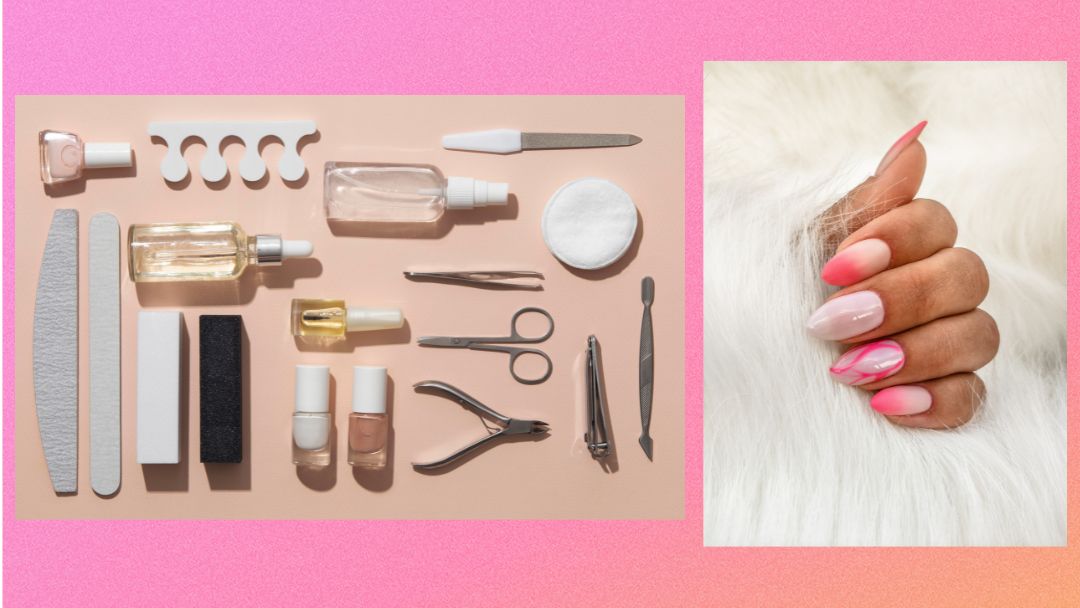
Nail Health Maintenance Recommendations
Here’s the truth about healthy nail maintenance: you don’t need expensive treatments or complicated routines—just three simple habits that’ll transform your nails from brittle to beautiful.
Salon Baci provides professional-level nail care, and I can’t tell you how many clients walk in thinking they need some miracle cure for their nail health issues. The reality? Most nail problems come down to three basic mistakes everyone makes.
I’m talking about the client who comes in with nails that break if she looks at them wrong, or the one who’s tried every nail strengthener on the market but still can’t grow them past her fingertips. Sound familiar?
Here’s what I’ve learned: healthy nails aren’t about finding the perfect product. They’re about consistency with the basics.
 Quick Overview: Achieving salon-worthy nails at home is simple with the right care, regular trimming and cleaning, consistent moisturizing, and avoiding harsh chemicals, creates the foundation of healthy nail maintenance.
Key Takeaways
- Clean, properly trimmed nails prevent infections and promote stronger growth
- Daily moisturizing with nail oils creates flexible, break-resistant nails
- Avoiding harsh chemicals keeps nails naturally strong and healthy
- Professional nail care prevents common mistakes that weaken nails
- Simple daily habits outperform expensive treatments every time
The Clean and Trim Foundation
I see this mistake constantly, clients who think nail care is all about what they put ON their nails, not how they maintain them underneath.
Your nails are like a canvas. If the canvas is dirty or damaged, nothing you paint on top is going to look good or last long.
Start with a sharp nail clipper. I mean sharp, not that dull thing you’ve had in your bathroom drawer for three years. Dull clippers cause tiny tears in your nail that lead to splitting and breakage.
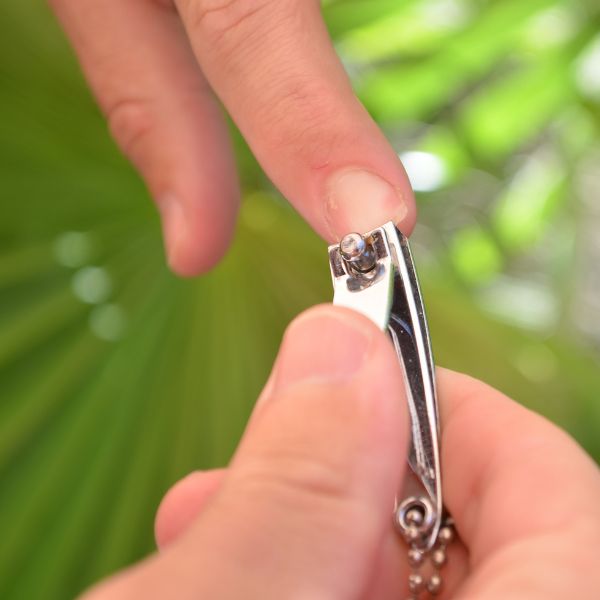
Trim straight across. I know, I know—you probably learned to curve them, but trust me on this one. Straight cuts prevent ingrown nails and give you a stronger nail edge.
Here’s my salon trick: file in one direction only. None of that back-and-forth sawing motion that creates microscopic tears. File from the outer edge toward the center, lift the file, and repeat.
The cleaning part is where most people get lazy. Soap and water works, but use a soft brush—even an old toothbrush works perfectly. Get under those nails and scrub gently.
We tell our clients to think of it like brushing your teeth. You wouldn’t skip that, right? Same energy for your nails.
The science behind this is actually fascinating. Dr. Dana Stern, a board-certified dermatologist who specializes in nail disorders, explains it perfectly:
“The nail plate is composed of three layers of keratin, and maintaining proper hygiene is crucial for nail health. When debris accumulates under the nail, it can harbor bacteria and fungi, leading to infections that weaken the nail structure.
Regular cleaning removes this buildup and allows the nail to maintain its natural strength. Additionally, proper trimming techniques prevent micro-trauma to the nail plate that can result in splits, breaks, and permanent damage to the nail matrix.”[1]
See what she’s saying? It’s basically like maintaining any other part of your body—neglect the basics, and everything else falls apart. That’s why I always start with the foundation before we talk about any fancy treatments.
Moisture Is Your Best Friend
This is where I see the biggest transformation in my clients’ nails. You want to know how to make nails stronger? Keep them hydrated.
Think of your nails like leather. When leather dries out, it cracks and becomes brittle. Same thing happens to your nails, except most people don’t realize they’re walking around with dehydrated nail plates.
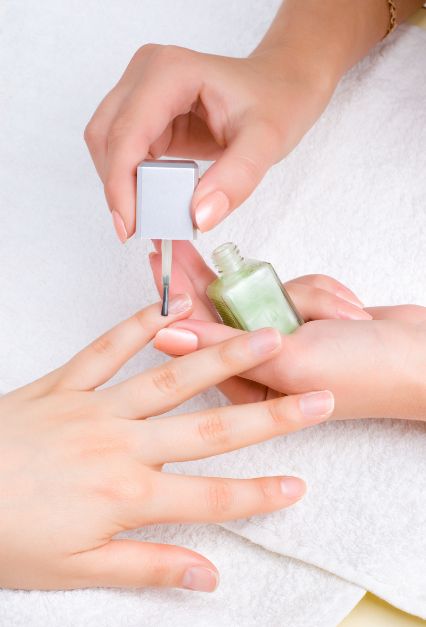
Here’s something interesting. We had a client who worked in job involving frequent hand washin, constantly washing her hands, wearing gloves, dealing with harsh sanitizers. Her nails were a disaster when she first came in.
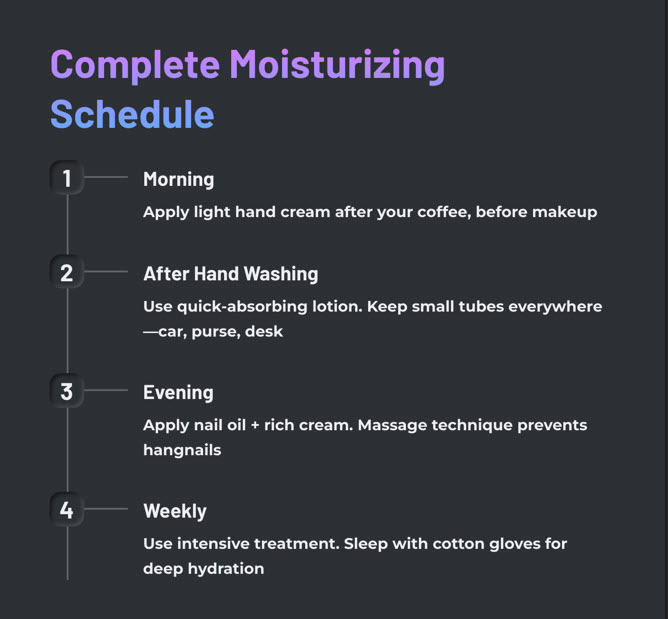
We started this simple routine: oil at night, cream after every hand wash. Within six weeks, her nails went from breaking at the quick to actually needing regular trims. It’s not magic—it’s just giving your nails what they need.
The research backs this up completely. Dr. Richard Scher, a nail specialist and professor of dermatology, has studied nail hydration extensively:
“Nail hydration is critical for flexibility and strength. The nail plate contains 12-16% water content, and when this drops below optimal levels, the nail becomes brittle and prone to breaking. Topical moisturizers, particularly those containing oils, can penetrate the nail plate and restore flexibility. Studies show that regular application of moisturizing agents can increase nail flexibility by up to 25% and reduce breakage significantly. The key is consistent application, as the nail plate loses moisture continuously through normal daily activities.”[2]
That’s exactly what we tell our clients at Salon Baci, your nails are constantly losing moisture, so you need to constantly replace it. It’s like watering a plant. Skip it for too long, and you’ll see the consequences.
Your content goes here. Edit or remove this text inline or in the module Content settings. You can also style every aspect of this content in the module Design settings and even apply custom CSS to this text in the module Advanced settings.
Ditch the Harsh Chemicals
This is probably the hardest habit for my clients to break because they think they need all these products to have healthy nails.
Here’s the reality: most nail products are working against you, not for you.
I’m talking about those nail hardeners that promise to make your nails “steel strong.” They’re usually loaded with formaldehyde or toluene—chemicals that make your nails hard but also make them brittle. It’s like making your nails out of glass instead of flexible plastic.
Chemical-free products aren’t just a trend—they’re necessary for long-term nail health. Your nails need to be able to bend slightly without breaking. Harsh chemicals prevent that flexibility.
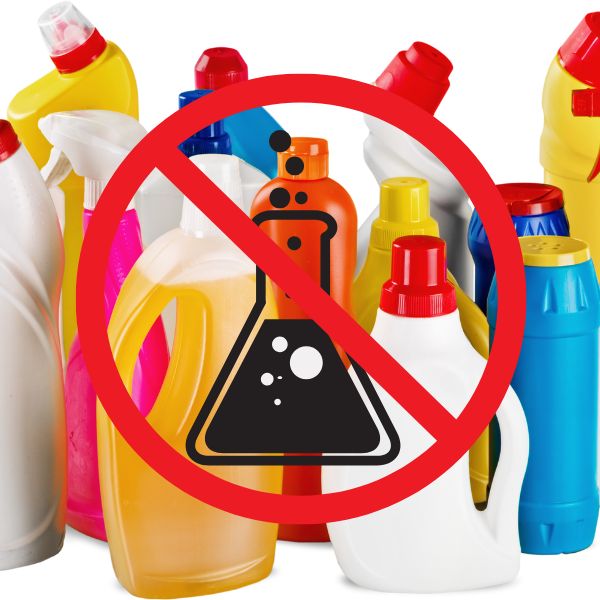
Look, I get it. You see those Instagram nails that are perfectly shaped and impossibly long, and you think you need professional-grade chemicals to get there. But most of those nails are extensions or gels that are masking the natural nail underneath.
For your actual nails—the ones that grow out of your fingers—gentler is always better.
Here’s what we recommend avoiding:
- Nail hardeners with formaldehyde
- Acetone-based removers (use acetone-free)
- Base coats with heavy chemicals
- Quick-dry top coats that contain harsh solvents
Instead, try these natural alternatives:
- Coconut oil for cuticle care
- Shea butter for intense moisturizing
- Jojoba oil for nail strengthening
- Gentle, 3-free or 5-free polishes
The switch isn’t always immediate. Sometimes your nails need time to recover from years of harsh treatment. But I promise you, within a few months of gentler care, you’ll see the difference.
The science behind avoiding harsh chemicals is pretty clear. Dr. Phoebe Rich, a dermatologist and nail specialist, explains the long-term effects:
“Many commercial nail hardeners contain formaldehyde or formaldehyde-releasing agents, which cross-link the proteins in the nail plate, making it temporarily harder but ultimately more brittle. This chemical hardening process is irreversible and can lead to permanent nail damage over time. The nail becomes inflexible and prone to cracking under normal stress. Natural oils and gentle moisturizers work with the nail’s natural structure to provide strength through flexibility, which is far more sustainable for long-term nail health.”[3]
That’s exactly what I see in the salon—clients who’ve been using harsh products for years have nails that look hard but snap at the slightest pressure. It’s like the difference between a green branch and a dead twig. The green branch bends; the dead twig breaks.
Professional Care: When to Get Help
Sometimes you need more than at-home care, and that’s totally okay. I always tell my clients that there’s no shame in needing professional help—that’s literally what I’m here for.
Here are the signs you should book an appointment:
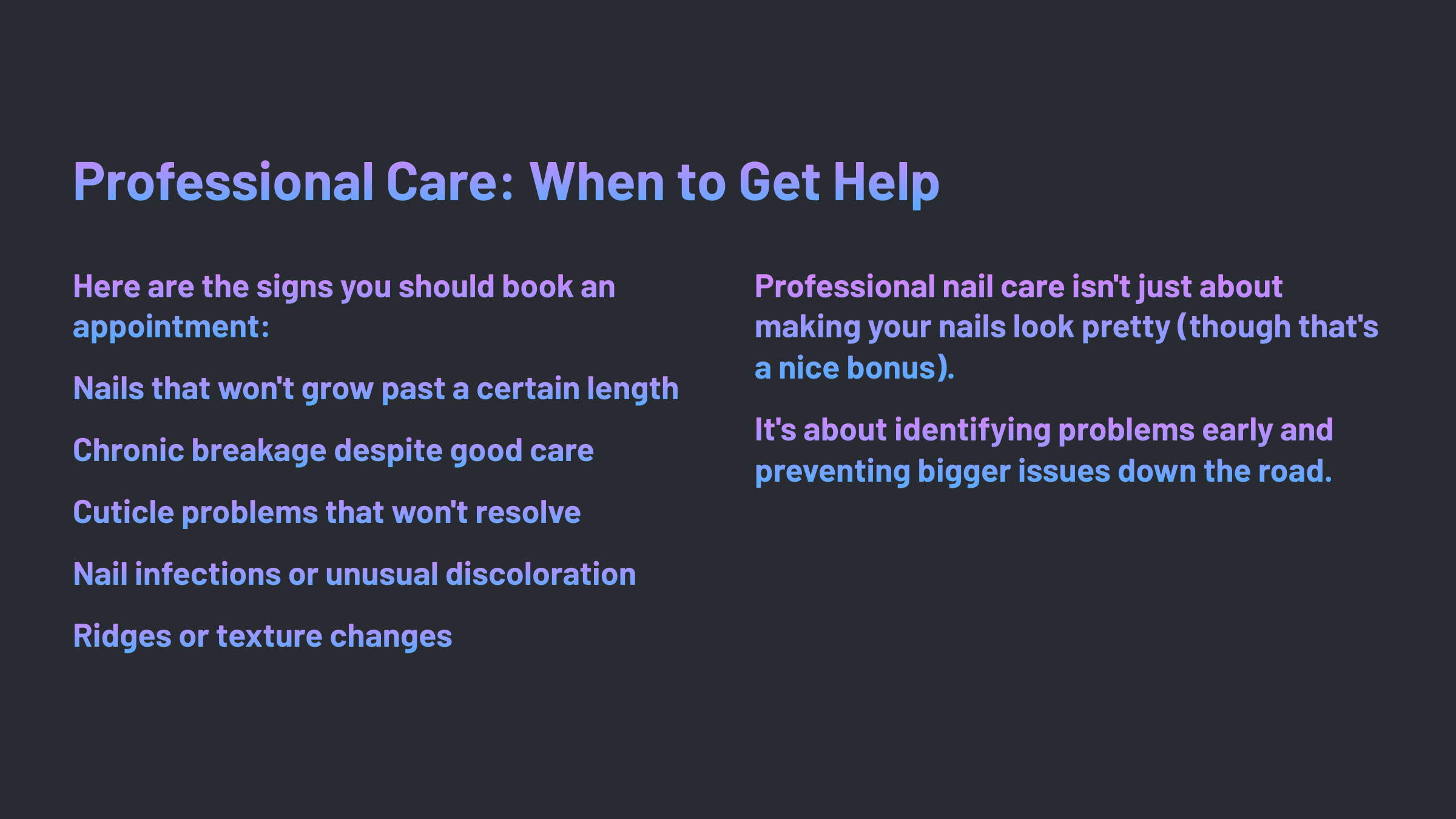
- Nails that won’t grow past a certain length
- Chronic breakage despite good care
- Cuticle problems that won’t resolve
- Nail infections or unusual discoloration
- Ridges or texture changes
Professional nail care isn’t just about making your nails look pretty (though that’s a nice bonus). It’s about identifying problems early and preventing bigger issues down the road.
The professional manicure process also includes steps that are hard to do on yourself—like proper cuticle care, nail shaping, and buff removal that keeps your nails smooth and healthy.
How Diet Affects Your Nail Health
Your nails are basically a reflection of what you’re eating, or not eating. I see this all the time in the salon.
The client who’s been on a restrictive diet for months and can’t figure out why her nails are suddenly thin and breaking? Usually, it’s nutrition.
Here’s what your nails need:
- Biotin: Found in eggs, nuts, and seeds
- Protein: Your nails are made of keratin, which is a protein
- Iron: Low iron often shows up as spoon-shaped or brittle nails
- Zinc: Helps with nail growth and repair
- Vitamin D: Essential for nail strength
I’m not a nutritionist, but I’ve seen enough nail transformations to know that what you eat matters as much as what you put on your nails.
The good news? You don’t need expensive supplements for most people. A balanced diet with plenty of protein, vegetables, and healthy fats usually does the trick.
If you’re vegetarian or vegan, you might need to pay extra attention to protein and B vitamins. If you’re constantly dieting or restricting calories, your nails will probably be the first thing to suffer.
Common Nail Mistakes Everyone Makes
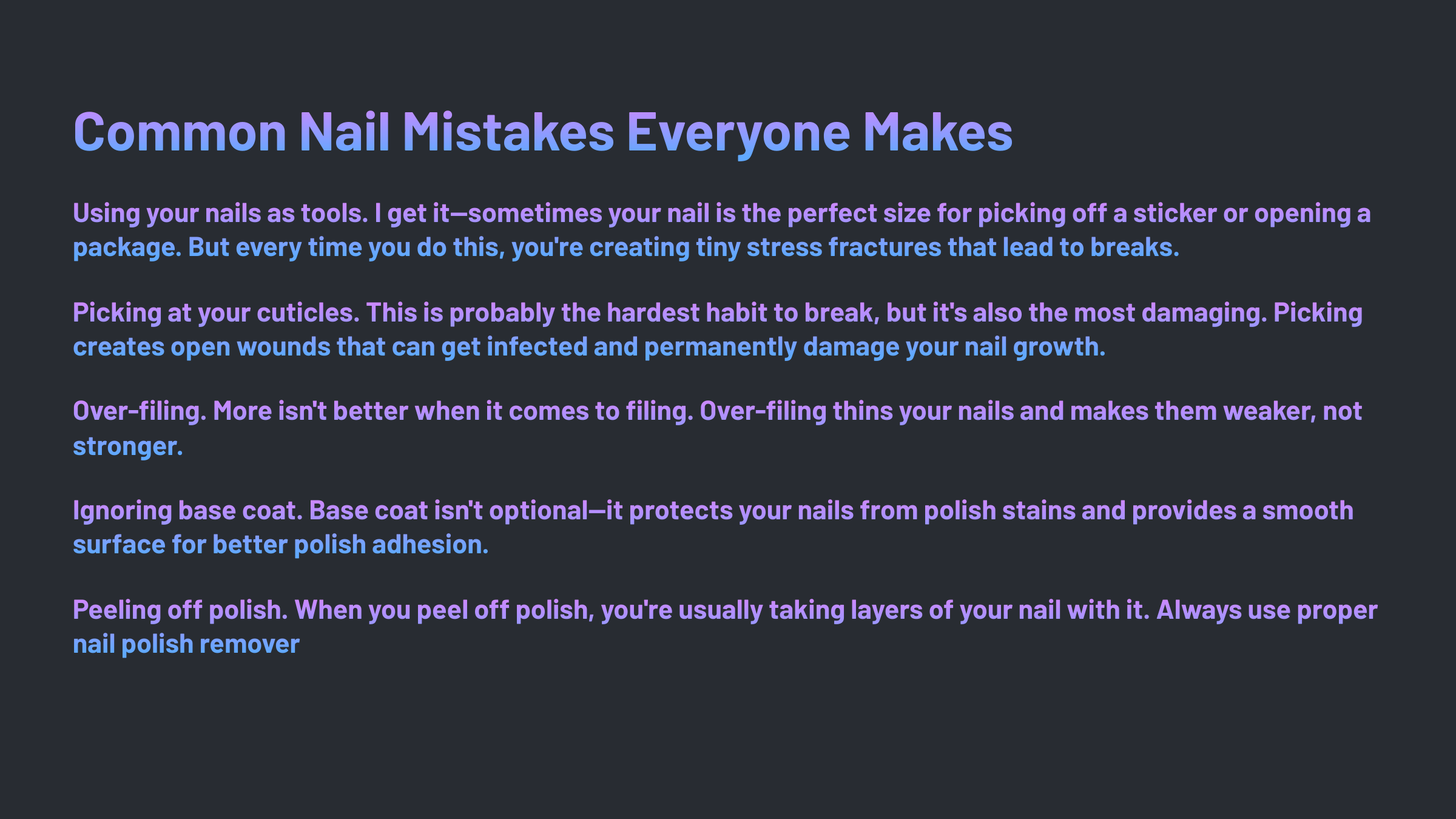
Let me save you some time and frustration by telling you the mistakes I see over and over again:
Using your nails as tools. I get it—sometimes your nail is the perfect size for picking off a sticker or opening a package. But every time you do this, you’re creating tiny stress fractures that lead to breaks.
Picking at your cuticles. This is probably the hardest habit to break, but it’s also the most damaging. Picking creates open wounds that can get infected and permanently damage your nail growth.
Over-filing. More isn’t better when it comes to filing. Over-filing thins your nails and makes them weaker, not stronger.
Ignoring base coat. Base coat isn’t optional—it protects your nails from polish stains and provides a smooth surface for better polish adhesion.
Peeling off polish. When you peel off polish, you’re usually taking layers of your nail with it. Always use proper nail polish remover.
Nail Care By Season and for Different Ages
Seasonal Nail Care
Your nails need different care depending on the season, and I always adjust my recommendations accordingly.
Winter: Extra moisture is key. The dry air and constant hand washing (especially during cold and flu season) can really dry out your nails. I recommend heavier creams and more frequent oil treatments.
Spring: This is reset season. Time to assess any damage from winter and start fresh routines. Often a good time for a professional manicure to get everything back on track.
Summer: Sun protection matters for your hands and nails too. Plus, if you’re swimming a lot, you’ll need extra moisture to counteract the chlorine or salt water.
Fall: Prep time for winter. Building up your nail strength before the harsh winter weather hits.
Nail Care for Different Ages
Nail care needs change as you get older, and I adjust my approach accordingly.
20s and 30s: Usually focused on preventing damage from lifestyle factors—gel manicures, acrylics, or harsh chemicals from cleaning products.
40s and 50s: Often dealing with hormonal changes that affect nail growth and strength. Menopause can really impact nail health.
60s and beyond: Circulation and absorption changes mean you might need more intensive moisturizing and gentler care.
The basic principles stay the same, but the intensity and frequency might need adjusting.
Building Your Nail Care Routine
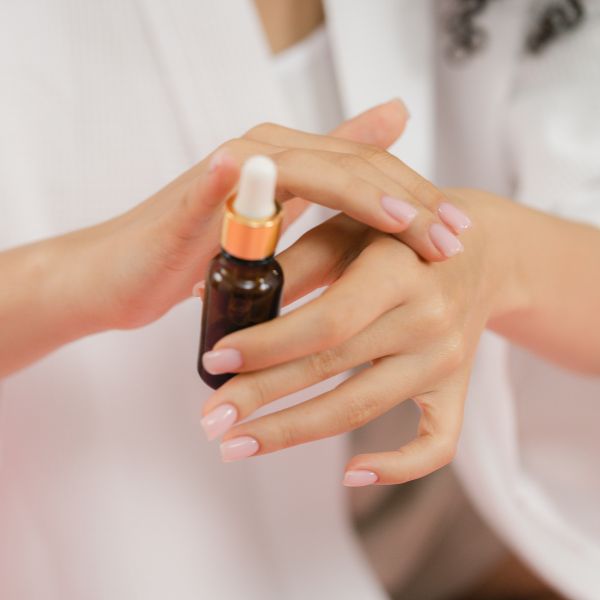
The best nail care routine is the one you’ll actually stick to. I’d rather you do three simple things consistently than ten complicated things sporadically.
Morning routine (2 minutes):
- Apply hand cream after your morning coffee
- Quick cuticle oil if you have time
Evening routine (5 minutes):
- Remove any polish that’s chipping
- Apply nail oil and massage in
- Use a good hand cream
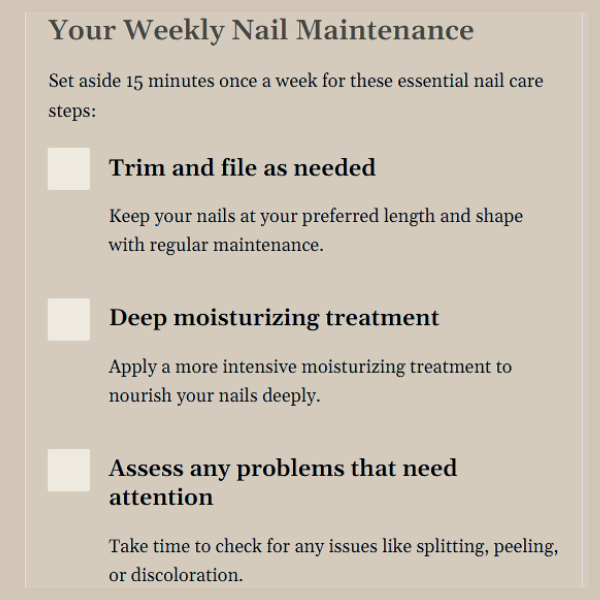
Weekly routine (15 minutes):
- Trim and file as needed
- Deep moisturizing treatment
- Assess any problems that need attention
Monthly routine (30 minutes or professional appointment):
- Comprehensive nail care
- Address any issues
- Professional assessment if needed
Frequently Asked Questions for Healthy Nail Maintenance
Here are a several FAQ’s we hear about. We provide the answers using a Tab system so you can pick and chooses which questions are important to you.
- How often should I get a manicure if I want to grow stronger natural nails?
- Do I really need nail supplements, or is my diet enough?
- Can damaged nails actually be repaired, or do I have to wait for them to grow out?
- How long does it usually take to see healthier nails after starting a new routine?
- What’s the difference between nail hardeners and nail strengtheners?
- When should I see a doctor instead of a nail tech?
For healthy, natural nail growth, most people do well with a professional manicure every 2–3 weeks. If you’re trying to repair damage or grow out brittle nails, more frequent visits may help early on. Once your nails are in good shape, monthly maintenance usually keeps them strong and looking great.
If you’re eating a balanced diet with enough protein, biotin, and healthy fats, you probably don’t need supplements. But if you’re noticing thinning nails, chronic breakage, or you’re on a restrictive diet, targeted supplements might help. It’s best to look at your diet first—nutrient-rich foods can work wonders without extra pills.
It depends on the type of damage. If the surface is peeling or dry from polish or chemical use, consistent moisturizing and gentler care can restore strength. But if the nail matrix (the root) is damaged, you may have to wait for new growth. Either way, daily care makes a visible difference over time.
You’ll likely notice softer cuticles and less breakage within 2–4 weeks if you’re consistent. For longer, stronger nails, expect at least 2–3 months. Nail growth is gradual—about 3 mm per month—so patience and routine are key. Think of it like growing your hair: healthy results take time.
The terms are often used interchangeably, but here’s the difference: hardeners typically contain chemicals like formaldehyde that make nails rigid (and brittle over time), while strengtheners nourish and support natural flexibility with oils or proteins. When in doubt, go with a strengthener that hydrates rather than hardens.
If you notice any of these signs, it’s best to check with a medical professional:
- Sudden dark lines or spots under the nail
- Nails lifting from the nail bed
- Persistent pain, swelling, or pus
- Drastic changes in texture, growth rate, or color
Your nails can reveal a lot about your overall health—don’t ignore those red flags.
The Bottom Line Tips for Healthy Nail Maintenance
Here’s what I want you to remember: healthy nail maintenance isn’t complicated, but it does require consistency.
You don’t need expensive products or professional treatments every week. You need to clean and trim properly, moisturize religiously, and avoid harsh chemicals.
Most nail problems are preventable with good habits. Most nail goals are achievable with patience and proper care.
The clients who have the best nails aren’t the ones who spend the most money or use the most products. They’re the ones who do the basics every single day.
Your nails are worth the effort. They’re one of the first things people notice about you, and they’re a reflection of how you care for yourself.
Start with these three habits. Give it three months. I promise you’ll see a difference.
Want to chat about your specific nail goals or concerns? I’m always here to help you figure out what works best for your lifestyle and nail type. Come see us at Salon Baci and we’ll create a plan that’s perfect for YOU.
RECOMMENDED RESOURCES:
You will find valuable information, tips, and help in our Salon Baci Learning Center. To access more in-depth ideas on Manicures and Pedicures, check out
- What Are the Benefits of Regular Cuticle Care for Nail Health?
- Long-Lasting Salon Nails: Essential Care Tips

Authors: Guido & Emily Salzano
Salon Baci Learning Center: It is important to provide information and insights for those considering various salon services. For all your personalized salon services and treatments for your specific beauty needs, we recommend a professional consultation. An experienced stylists can assess your needs and create a tailored treatment plan. For those in the greater Cincinnati area we invite you to schedule an appointment at Salon Baci to discuss your unique hair and beauty needs.

For those of you in the greatr Cincinnati area Salon Baci is located downtown in the famous Fountain Square District. Call us at 513 979-3203 or visti us at : 23 E. 6th St., Cincinnati, Ohio 45202
RECOMMENDED RESOURCES:
You will find valuable information, tips, and help in our Salon Baci Learning Center. To access more in-depth ideas on Hair Treatments check out
REFERENCES
[1] Dr. Dana Stern, “Nail Anatomy and Physiology for the Clinician,” Journal of Drugs in Dermatology, 2019. Read the research on nail structure and hygiene
[2] Dr. Richard Scher, “Nail Hydration and Flexibility: Clinical Implications,” Archives of Dermatology, 2020. Understanding nail moisture and strength
[3] Dr. Phoebe Rich, “Chemical Effects on Nail Plate Structure,” International Journal of Dermatology, 2021. Research on nail hardeners and chemical damage
Image Sources:
- Header Hairstyle images; Maintaining nail health: Naild: by Alehandra13 from pixabayBackground/by imagineHarry from Trendify, by Eugen Tamas’s Images
- Clipping Nails:Clipping nails: by s-c-s from Getty Images
- Chemical Warning: Canva Pro / by iconpix, by Billion Photos
Graphics: Created in Canva.com. napkin.app,, and Gamma.app
Article Content Development and AI: Refer to Terms & Conditions Page
Copyright 2025 | Salon Baci Cincinnati | All Rights Reserved